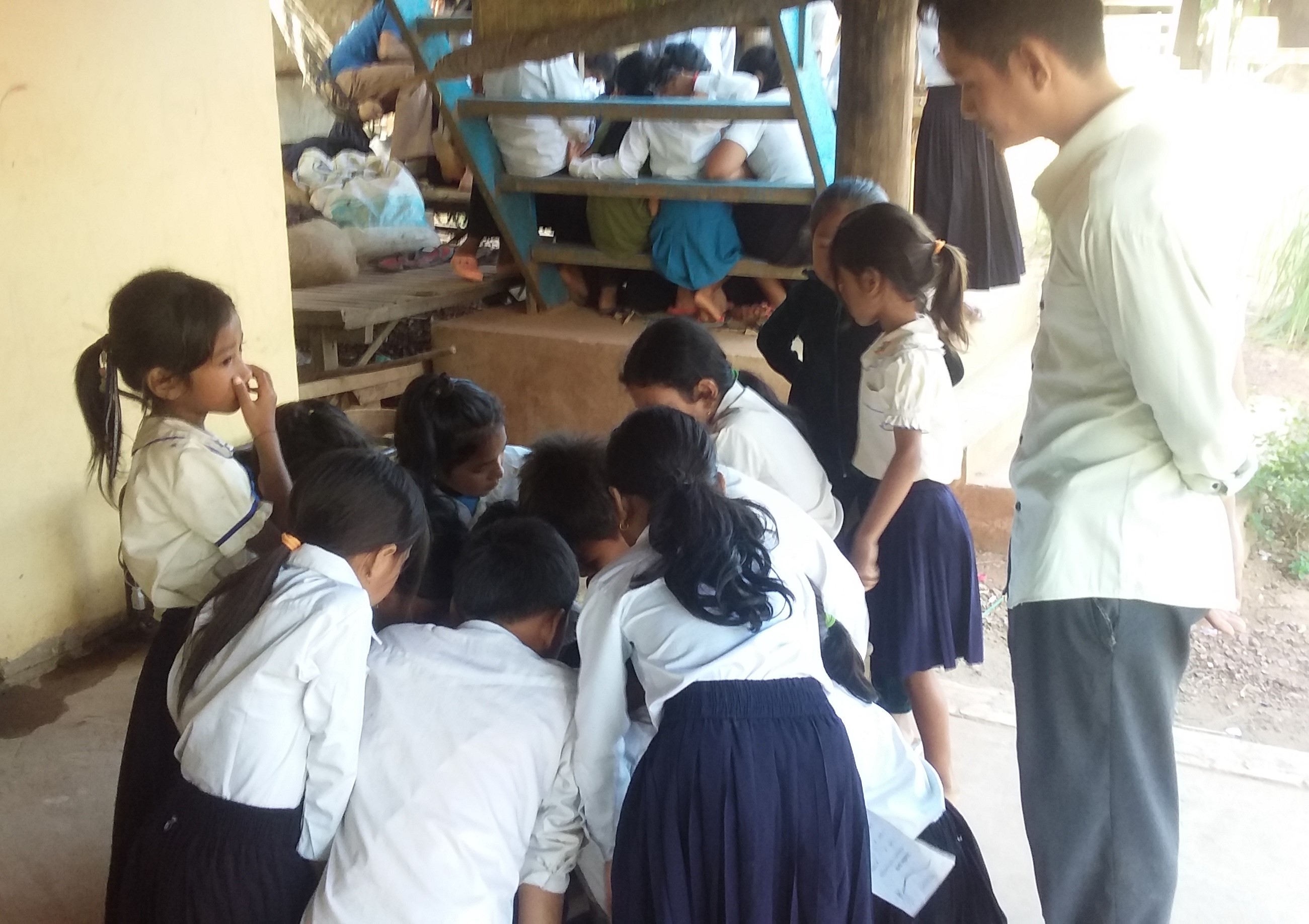
As a part of the project Hak offers homestay in his village. Volunteers usually stay with his family in the purpose built rooms for the privacy of the volunteers and are provided with meals.
Alternatively, you may choose to stay in Siem Reap and travel to/from Thnal Dach each day. If required, Hach can organise transport for an agreed price.
Homestay pricing
The homestay experience costs US$15 per person per night, this covers:
- Food (breakfast, lunch and dinner) and water bottles
- Electricity
- Hak and his Family’s hospitality
- Government licence
- Government administration (local police require a permit for volunteers in the village and a police man to stay in the village during your visit)
The village faces additional costs when hosting you. For a community with limited funds, these costs add up to a significant amount. It seems only fair that your presence in the village does not increase the burden on the villagers, which is why volunteers are asked to pay a small sum.
Homestay rooms
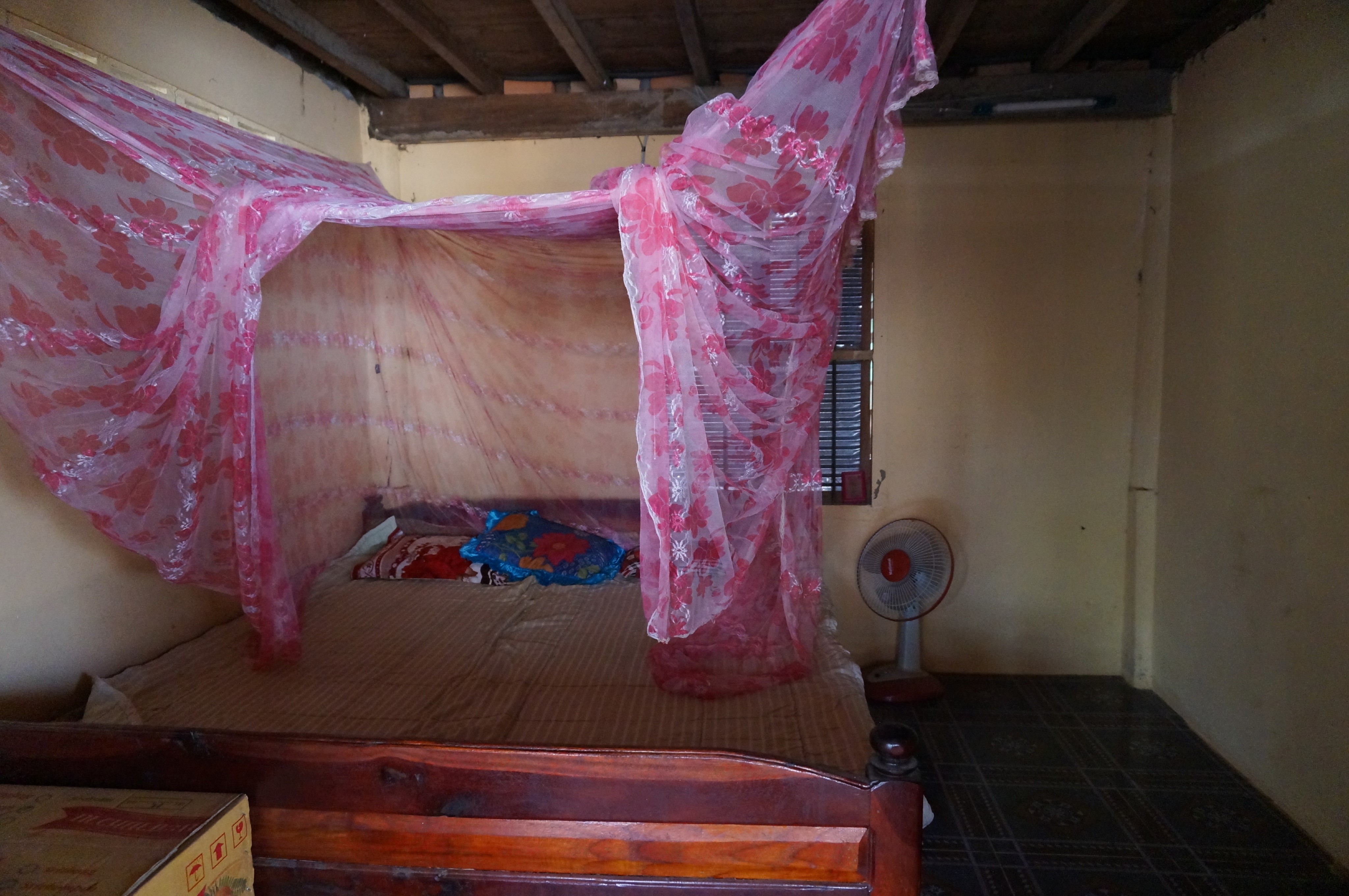
Hak’s home has 3 volunteer homestay rooms—2 downstairs and 1 upstairs. The downstairs rooms have bedsets with straw mats on top or a floor mattress. You can bring sleeping mats and sheets for your comfort, small pillows and blankets are provided. Each bedroom is equipped with a light, fan, power points, and mosquito nets. There is a lock and key for the downstairs rooms.
Local activities
- Tonle Sap lake – Visit the nearby lake to witness the popular floating villages Kampong Kleang
- Beng Mealea – The nearby untouched temple ruin of Beng Mealea is also found about 30 minutes from the village. This is truly unlike the other well-known temple complexes around Siem Reap.
- Rice Fields – Walking through the rice fields or watching the sunset over the rice fields makes for a memorable experience and allows for you to see the source of income for most families.
- Weddings – If you visit between January and April you may have the opportunity to experience a local wedding. Local weddings involve traditional customs such as a hair cutting ceremony as well as a lot of eating, drinking and dancing.

A young Hak with Aki Ra
- Cambodia Landmine Museum & Relief Centre – Hak, a landmine victim himself, is the perfect tour guide to show you around this museum where he lived as a child. The museum is located at Bantrey Srei.
- Local cooking – Cambodian’s often have there own unique way of doing things and it can be fun to get involved to experience the local way of doing things. For example, you can make your own freshly brewed coffee using local equipment or you may even get the opportunity to help make coconut milk.
 Hak's Project